Source Polo Collar Solid Casual Suit Options for Travel, Golf, and Work
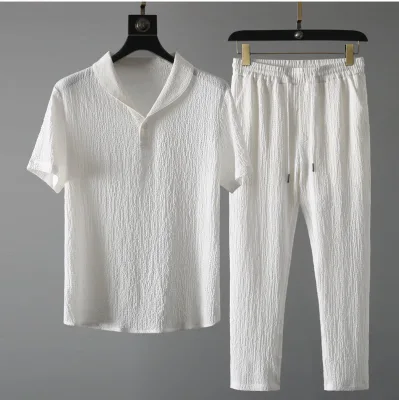
Explore 30 listings for the polo collar solid casual suit, featuring breathable cotton and polyester blends. Compare men's and women's styles in slim or plain designs, suitable for spring, autumn, and summer travel or golf activities; compare the available evidence and request quotations based on your requirements.
Key considerations
Products List


Comprehensive Sourcing Guide
Polo Collar Solid Casual Suit Sourcing Guide
The market for polo collar solid casual suits presents a diverse range of options, primarily focusing on men's and women's apparel suitable for travel and sport. Buyers will observe listings that specify materials like cotton and polyester, often featuring plain dyed techniques or mesh inserts for enhanced breathability. These garments are frequently categorized as vests or formal suits, indicating a versatile design language that bridges casual and semi-formal occasions.
Procurement strategies must account for the variability in product models, such as c-29, P013, and FY-0512, which dictate specific sizing and style attributes. While some listings emphasize a slim model with a polo neck, others highlight functional features like windproof capabilities or supportive stretch. Understanding these distinctions is critical for aligning inventory with specific customer demographics, particularly those seeking summer wear or adult-sized garments with solid patterns.
Product Scope and Observed Listing Signals
Buyers should analyze the observed price range of 2.68 to 169 USD to understand the spectrum of quality and customization levels available in the current market. This wide variance often correlates with the complexity of the design, such as the inclusion of logos, specific fabric weights ranging from 180 to 320 GSM, and the presence of technical features like mesh inserts. Lower price points may reflect basic plain polo shirts, while higher values often indicate premium customization or specialized fabric blends.
The minimum order quantity (MOQ) ranges from 1 to 2000 units, offering flexibility for both sample acquisition and bulk procurement. This range allows buyers to test the market with small batches or secure significant volume discounts for established lines. It is essential to verify if the supplier accepts negotiable free samples, as this can significantly reduce the risk associated with introducing new product lines to your catalog.
Technical Specifications to Verify
When evaluating technical specifications, the collar style and sleeve length are primary determinants of the garment's final aesthetic and utility. Listings frequently specify a polo neck and short sleeve configurations, which are standard for the casual suit category, yet some variations may include mesh inserts or specific waistband designs. Buyers must confirm that the selected model, whether labeled as a vest or a formal suit, aligns with the intended seasonal use, such as spring, autumn, or summer wear.
Material composition and production techniques require rigorous verification to ensure the product meets performance expectations. The supply chain offers options in cotton and polyester, often processed through plain dyeing techniques to achieve solid colors or specific patterns like logos. It is vital to confirm the fabric weight and stretch properties, as these factors directly influence the comfort and durability of the final garment, especially for active applications like golf or travel.
Compliance and Safety Documentation
Compliance documentation varies significantly across suppliers, with some explicitly citing SGS certification while others adhere strictly to client-specific requirements. Buyers must request current test reports to validate that the products meet the safety and quality standards of their target markets. Relying on a general claim of "good quality" is insufficient; specific certification documents are necessary to mitigate liability and ensure the garments are safe for consumer use.
The origin of the products, often listed as China or specific provinces like Liaoning and Jiangxi, influences the regulatory framework applicable to the goods. Suppliers in these regions may have established protocols for export compliance, but buyers should verify that the production standards match the destination country's regulations. Ensuring that the supplier can provide documentation for the specific model numbers, such as FY-0512 or P013, is a critical step in the due diligence process.
Cost Drivers and Commercial Terms
Cost drivers in this category are heavily influenced by the level of customization, including the ability to add a buyer's own brand or specific logos. Suppliers that offer OEM and ODM services often command higher prices due to the additional design and production overhead required for these bespoke elements. Buyers should clarify whether the quoted price includes the cost of branding, as this can vary from simple logo printing to full garment customization.
Commercial terms regarding packaging and shipping are equally important for managing overall procurement costs. Products are typically packed in bags or cartons, with some listings specifying polybags for individual items. The lead time and shipping method will depend on the order volume and the specific origin location, such as Nanchang or Liaoning. Negotiating clear terms for these logistical details ensures that the total landed cost remains within budget and that delivery schedules are met.
Supplier Qualification and Quality Control
Supplier qualification should focus on their capacity to handle customization requests and maintain consistent quality across different product models. The availability of OEM and ODM services indicates a supplier's flexibility, but buyers must verify their track record for delivering on specific client requirements. A supplier's ability to produce both men's and women's lines suggests a robust manufacturing base capable of handling diverse order profiles.
Quality control processes must be validated through on-site audits or third-party inspections, particularly for items with specific technical features like windproofing or breathability. Buyers should request samples that match the exact specifications of the bulk order, including fabric weight and color consistency. Establishing a clear quality assurance protocol before mass production begins is essential to prevent defects and ensure that the final products meet the expected standards.
Long-Term Procurement Checks
Long-term procurement success relies on maintaining a stable relationship with suppliers who can consistently deliver on their promises regarding model availability and customization. Buyers should monitor the supplier's ability to maintain the specific attributes of their product lines, such as the solid patterns or logo placements, over multiple production cycles. Consistency in these details is crucial for building brand recognition and customer trust in the marketplace.
Regular performance reviews should be conducted to assess the supplier's adherence to agreed-upon standards and timelines. This includes tracking the accuracy of the product origin, the reliability of the packaging, and the responsiveness to any quality issues that arise. By maintaining a proactive approach to supplier management, buyers can ensure a steady supply of high-quality polo collar solid casual suits that meet the evolving demands of their customers.
FAQs
What materials are used for polo collar solid casual suits?
The products are primarily made from cotton and polyester fabrics. These materials offer breathability and comfort for spring, autumn, and summer wear. The fabric weight ranges from 180 to 320 GSM, ensuring durability. Plain dyed techniques are applied to achieve solid color patterns suitable for various casual and sport styles.
Can I customize the logo on these polo shirts?
Yes, customization is available for any logo on mens polo shirts. OEM and ODM services are welcome for brand integration. Buyers can add their own brand name to the garments. The supplier accepts acceptable and negotiable free samples to verify quality before bulk production begins for custom orders.
What are the standard packaging options for these vests?
Packaging options include polybags and cartons depending on the specific model. Some items are packed in bags for individual protection. The standard packing method is determined by client requirements. This flexibility ensures safe transport and storage for wholesale buyers sourcing men's or women's vests and polo shirts.
Which certifications are provided for these garments?
SGS certification is provided for specific models like FY-0523. Standards are generally according to client requirements to meet diverse market needs. Good quality is maintained across the product range. Buyers should verify specific certification details for each model number when placing orders to ensure compliance with their local regulations.
What is the typical MOQ for these polo shirts?
The observed MOQ range is 1 to 2000 units. This flexibility allows buyers to start with small test orders or large bulk purchases. The exact MOQ may vary by model and customization level. Buyers should confirm specific quantity requirements with the supplier to secure the best pricing and production schedule for their order size.
Where are these polo shirts manufactured?
Products originate from China, specifically Liaoning and Nanchang, Jiangxi Province. These locations are known for textile manufacturing capabilities. Buyers can source men's and women's vests and polo shirts from these regions. The origin may influence lead times and shipping costs, so buyers should verify the specific factory location for each order.